
LastWave is an open-source Android music player that combines streaming, Last.fm scrobbling, synchronized lyrics, offline downloads, and high-resolution audio options in one app. The project credits Duxtami and Ajisth as its builders, and its first public GitHub release, version 2.0, appeared on August 15, 2026; the current stable release is 4.0.0, published September 8, 2026, according to the official GitHub Releases page. The standard LastWave APK is about 22 MB and targets Android 10 or newer, while a roughly 17 MB legacy build supports Android 7–9.
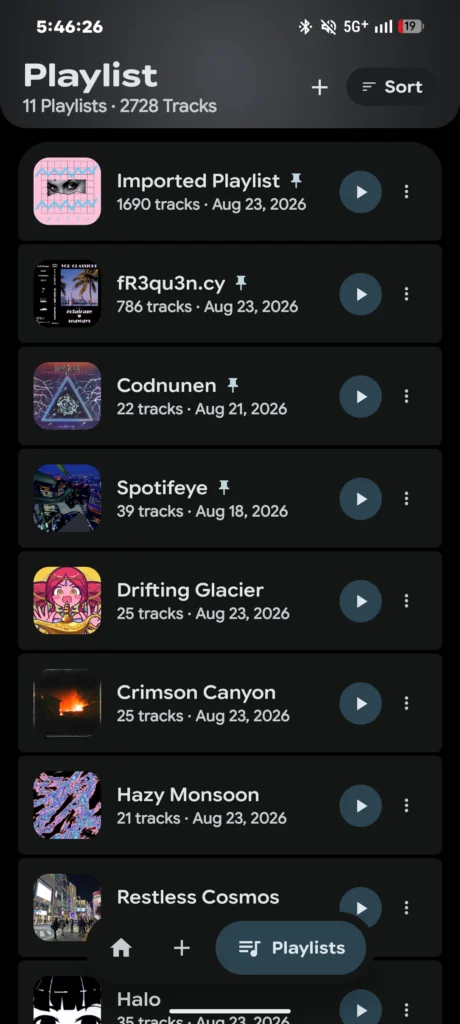
There is no purchase price listed for the official download, and the source is published under GPL-3.0. I’m Central Nguyen, and my overall take is simple: LastWave is unusually ambitious for a young FOSS music app, but I would treat it as a power-user project rather than a polished Spotify replacement. When I reached the release page and saw multiple APK variants, my first instinct was to verify the repository before installing anything.
What is the LastWave App, and who is it for?
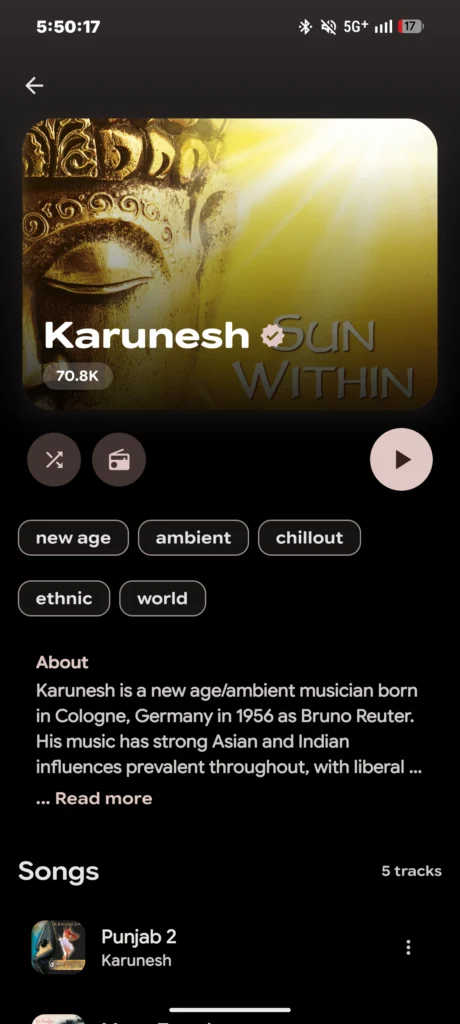
LastWave is a native Android music client built around Last.fm data, online audio sources, local downloads, and a modern player interface. It is aimed most clearly at listeners who care about scrobbling, lyrics, discovery, and higher-quality audio. I think it makes the most sense for Android enthusiasts who are comfortable installing software from GitHub.
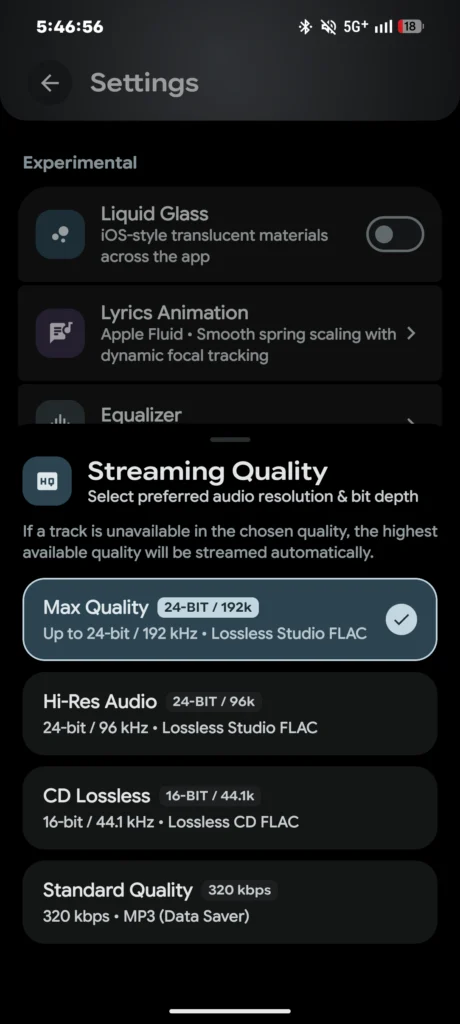
The app can use FLAC through the ClashFLAC backend, fall back to YouTube Music audio, fetch lyrics through LRCLIB, and manage playback with AndroidX Media3.
What does LastWave Android actually offer?
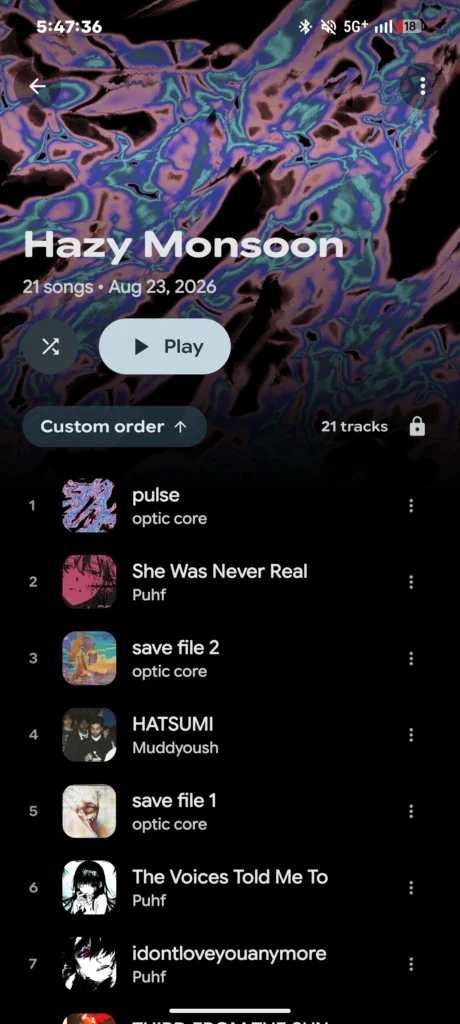
LastWave Android supports FLAC up to 24-bit/192 kHz as a software capability, Opus/AAC streaming, offline music, synchronized lyrics, Last.fm features, Chromecast, Android Auto, friend profiles, and playlist tools, according to the project documentation and 4.0.0 release notes. I like the feature mix, but I would not assume every phone or DAC will output true 24/192 simply because the app can request it.
One moment that stood out to me was seeing Android Auto and Chromecast added beside Last.fm scrobbling. That makes LastWave Mobile feel more like an attempt at a complete listening hub than a hobby scrobbler. Still, the issue tracker contains recent user reports involving Android Auto artwork, playlist browsing, lyrics spacing, and queue behavior, so I would expect rough edges.
Is the LastWave APK safe to install?
The safest place to get LastWave APK files is the official Clash-Projects GitHub Releases page, where version 4.0.0 is published in standard, uncompressed, and legacy Android builds. The source is public, but open source is not the same as a guarantee that every redistributed APK is trustworthy. I would avoid third-party mirrors unless there is a compelling reason to use one.
When I noticed the notification-listener service and broad package-query permission in the manifest, I stopped and checked why they were present. The manifest shows permissions for internet access, audio settings, notifications, battery optimization handling, package visibility, storage on older Android versions, and a notification-listener service used by the scrobbler.
My installation checklist:
- Download only from the official GitHub repository.
- Choose the APK that matches your Android version.
- Scan the downloaded file with your usual mobile security tools.
- Review permissions before granting notification access.
- Keep the previous APK or a data backup before major upgrades.
Is LastWave iOS available, and who should skip LastWave Mobile?
The official project currently publishes Android APKs; I found no iPhone or iPad build in the official repository or release list as of September 14, 2026. So if you are searching for LastWave iOS, I would not download an unrelated app merely because it shares the name.
Pros
- Strong music-tool integration: Last.fm, lyrics, online playback, downloads, Cast, and Android Auto reduce the need to juggle several niche apps.
- Transparent development: public code and a GPL-3.0 license give technically minded users more visibility than a closed APK.
Cons
- Young and fast-changing: recent issue reports suggest some features still need refinement.
- Not for cautious sideloaders: anyone uncomfortable with GitHub APKs, notification access, or unofficial streaming backends should probably skip it. I personally would not recommend LastWave to someone who wants zero setup and store-managed updates.
FAQ
I think these are the five practical questions worth answering before installing LastWave, especially if you found it through an APK search rather than the project itself.
Is LastWave free?
Yes, the official GitHub release is offered without a listed purchase price, and the project source is distributed under GPL-3.0. I would still separate “free to download” from the cost of mobile data, external services, or hardware you may use with it.
What Android version does LastWave require?
The recommended LastWave 4.0.0 universal APK is listed for Android 10 and newer, while the separate legacy APK covers Android 7 through Android 9. I would choose the standard build on any supported modern phone instead of forcing the legacy package.
Does LastWave support lossless music?
Yes. The project documents FLAC playback and downloads up to 24-bit/192 kHz through its ClashFLAC-based path, alongside compressed YouTube Music options. My caution is that actual output quality also depends on Android audio routing, the track source, and your playback hardware.
Can I download music for offline listening?
Yes. The official README describes offline downloads with metadata and synchronized lyric files, while the 4.0.0 notes include a redesigned download area. I see offline playback as one of LastWave’s more useful features, especially for listeners who dislike rebuilding a library every session.
Should I download LastWave in 2026?
I would consider LastWave if you use Android, value Last.fm, enjoy experimenting with open-source apps, and understand sideloading. I would skip it if you want an App Store-style installation, official iOS support, or a mature commercial support channel. For me, its appeal is flexibility, not simplicity.
 NBA 2K HQ Review: The Head Start That Asks for Your Login
 StbEmu Pro
 Notability: AI Note Workspace
 Delta Exploits